
Battery Relocation
Relocation changes the geometry of every shot. It can buy survival time, but only if the operator treats the new position as a complete reset of origin-dependent data.
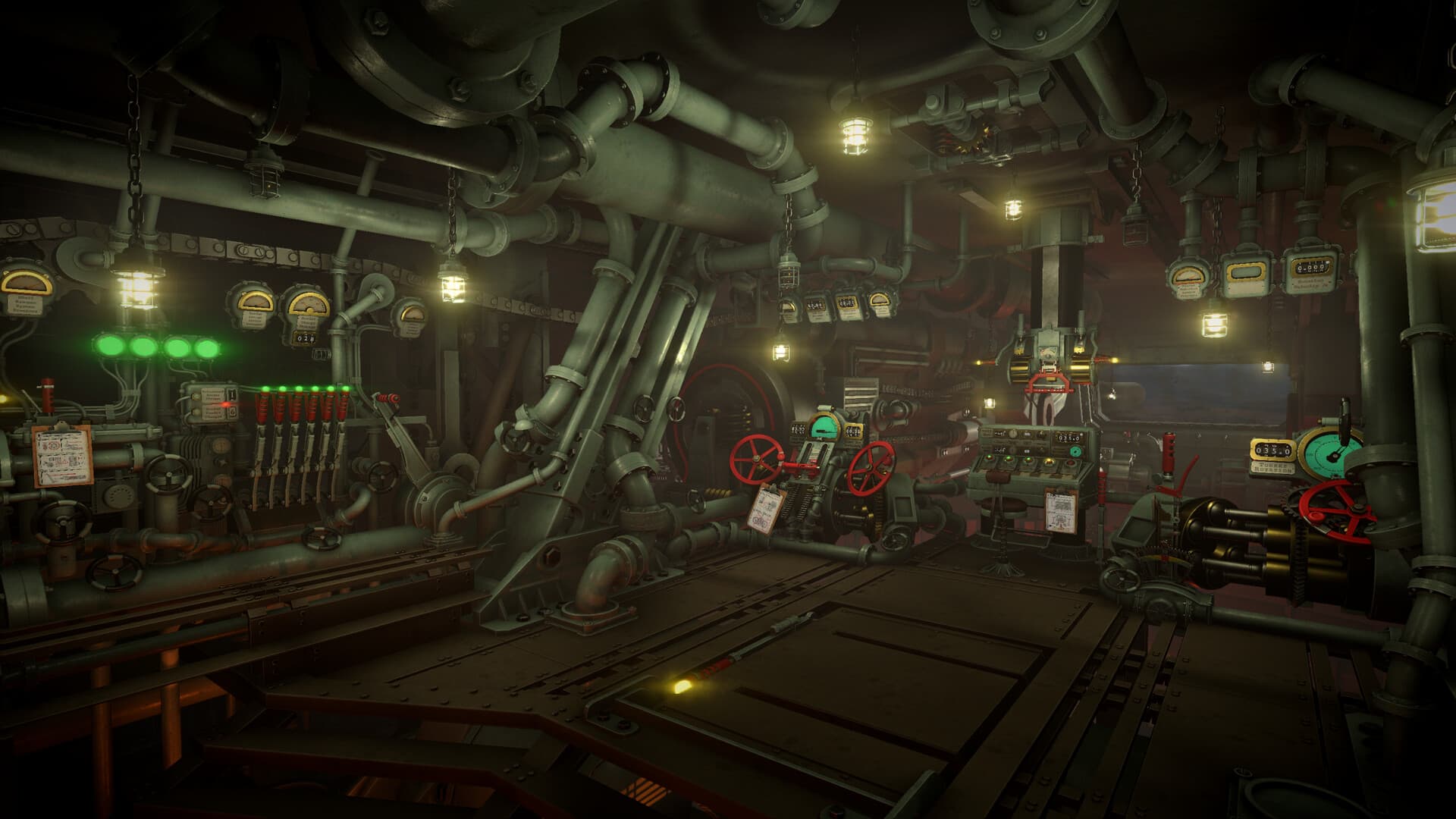
Move for a defined reason
Useful reasons include an active counter-battery threat, a planned firing angle, or a mission condition. Repeated panic moves consume time and supplies while creating more stale data.
Close the old position
Before moving, mark active targets and preserve their identity. After the move, visibly invalidate every firing card built from the previous NEST coordinate. Do not keep a plausible-looking bearing for convenience.
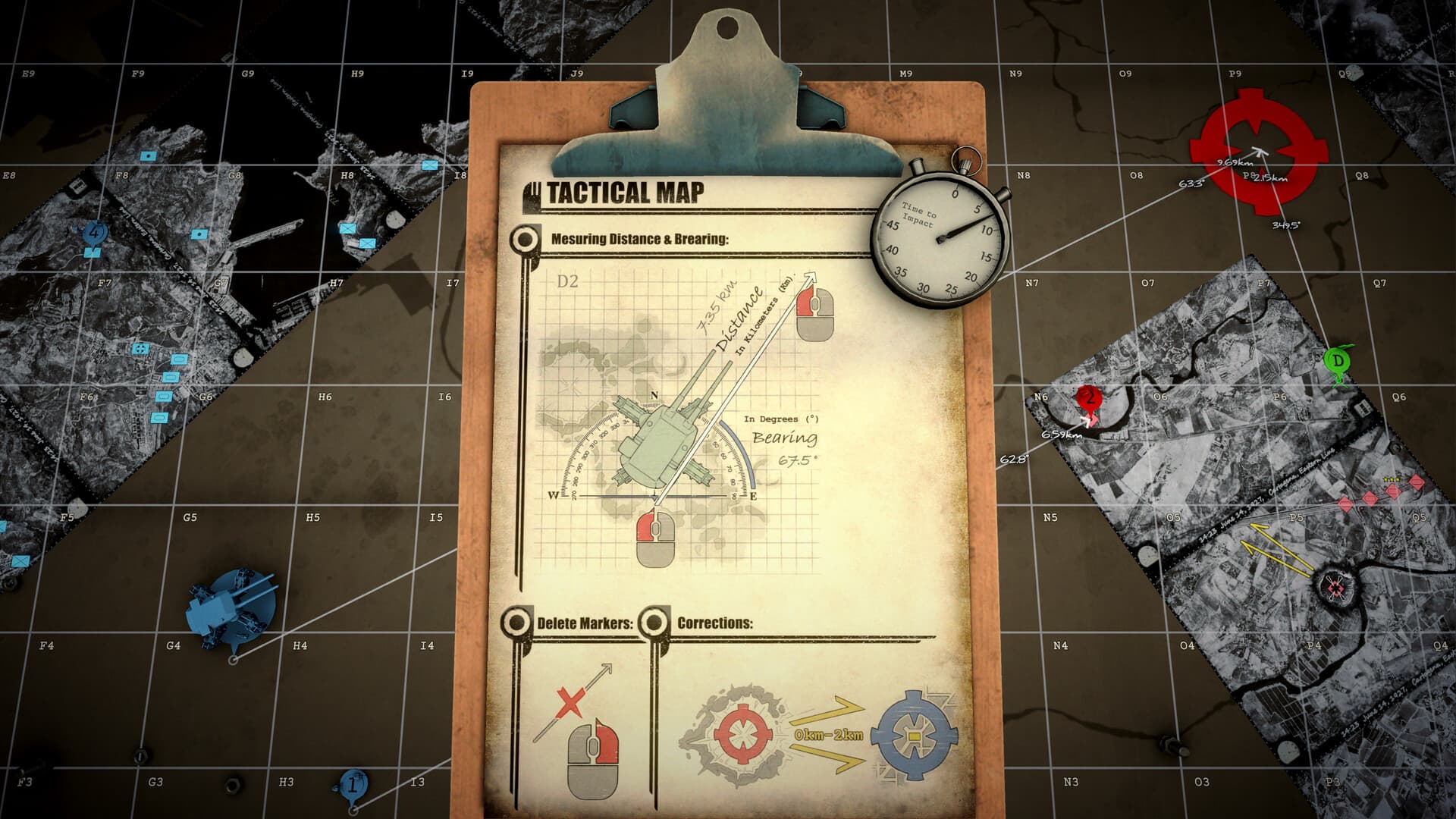
Rebuild from the new origin
Update the NEST marker first, then redraw final lines to confirmed targets. Target clues and triangulated target positions may remain useful; NEST-to-target bearing and range never do.
- Confirm the move is complete.
- Place the NEST at its new full coordinate.
- Cross out old bearing and range values.
- Redraw the final line to each active target.
- Recalculate charges and elevation, then reload the firing card.
Time relocation around impacts
In missions where the enemy learns from observation or incoming fire, timing can matter. Treat community timing claims as patch-sensitive and verify current objective behavior rather than assuming one universal safe window.
Post-move verification
Before the next shot, confirm new origin, target, bearing, range, shell, charges, and elevation. If a previously accurate shot now misses laterally, the first suspect is stale geometry.
Sources & verification
Mechanics can change after patches. Official references and clearly labeled community findings used for this guide:
Official Steam movement and counter-battery description ↗Steam community tactics ↗