
Common Aiming Mistakes
A miss is evidence. Classify its direction and objective result before changing values; random corrections can hide the original fault and waste the next shell.
Fast diagnosis
Match the symptom to the first check
Left or right of target
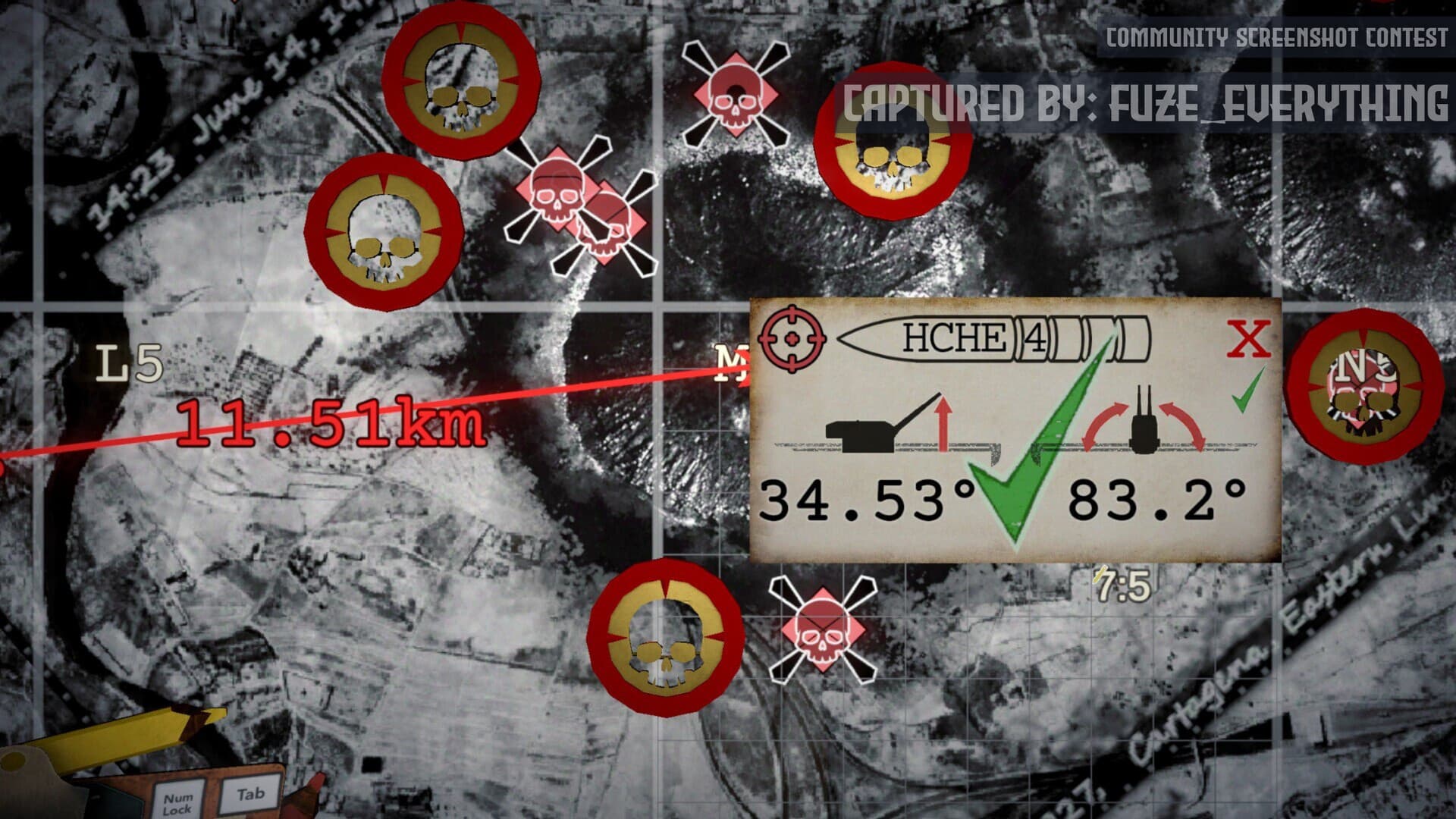
Start with the tactical map. Confirm the final line began at the current NEST, ended on the intended target, and was copied as bearing rather than a spotter clue. Then confirm the correct turret or barrel received that traverse value.
Short or long of target
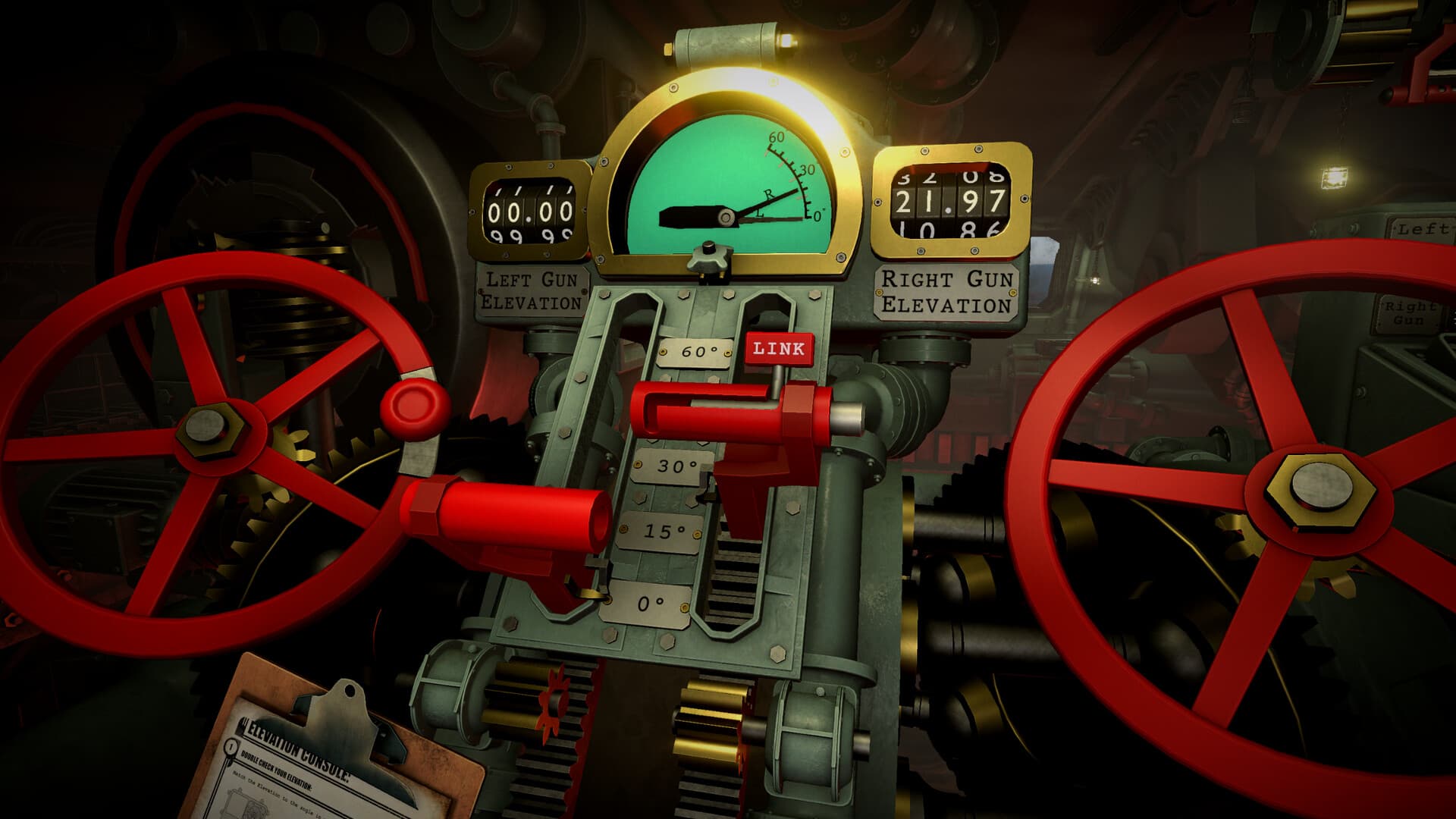
Check final range, calculator charge selection, physical charge count, and gun elevation as four separate items. A correct calculator output cannot compensate for loading a different number of charges.
Correct impact, failed objective
Verify target identity and mission-required shell. Smoke, illumination, recon, and named special rounds may satisfy a different job from destructive ammunition even at the same coordinate.
A shot that worked before relocation now misses
Assume stale origin data until proven otherwise. Update the NEST marker, redraw the final line, and generate a new ballistic pair. Do not reuse the old range because the target did not move.
Change one variable at a time
Use confirmed observation feedback to choose the relevant input group. Record the correction and outcome on the firing card so the second impact teaches you whether the diagnosis was right.
Operator field note
Use the miss to reduce the search space
The direction of error narrows the likely cause. A shell at roughly the correct depth but left or right points first to target identity, origin, bearing, or traverse. A shell on the correct line but short or long points first to range, calculator selection, physical charges, or elevation. An apparently correct impact with no progress points first to objective interpretation and payload.
This classification prevents destructive troubleshooting. Changing bearing, charges, and elevation together may eventually land a shell, but it removes the evidence needed to repeat the result. Preserve the original firing card, verify one input group, record the correction, and compare the next impact.
Relocation deserves its own rule: assume all old NEST-to-target geometry is stale. The target may not move, but the origin did. Update the NEST token, redraw bearing and range, generate a new ballistic pair, and only then diagnose remaining error.
Sources & verification
Mechanics can change after patches. Official references and clearly labeled community findings used for this guide:
Community operator guide ↗Steam community troubleshooting discussions ↗Quick clarifications
Frequently asked questions
What is the first check for a left-right miss?
Verify the current origin, intended target marker, final bearing, and turret traverse. Do not begin by changing calculator elevation.
What is the first check for a short-long miss?
Compare measured range, selected charges, physically loaded charges, and actual gun elevation as separate items.
Why did an old accurate solution fail after moving?
Because bearing and range depend on origin. Relocation invalidates every final firing line built from the previous NEST position.