
How to Triangulate
Triangulation turns two directional reports into one estimated position. Accuracy depends less on complicated math than on using the correct origin for each report and drawing both bearings in the correct direction.
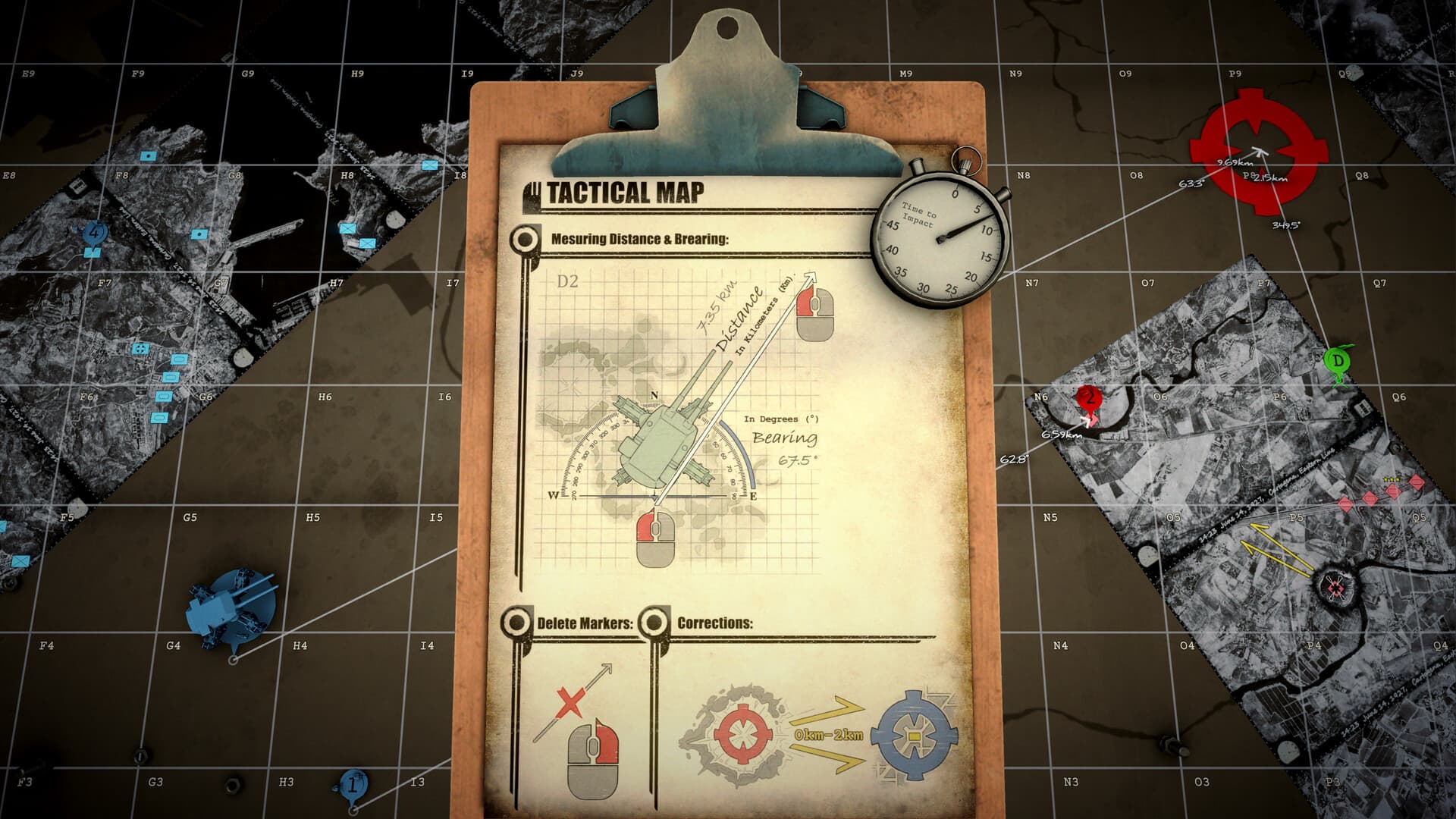
What triangulation solves
A single directional report describes a line, not a unique point. A second report from a different known position creates another line. Their intersection is the estimated unknown position.
Translate each report literally
For every message, record three things: who or what occupies the known origin, what unknown object the bearing describes, and the stated direction. Do not combine two reports until both describe the same unknown object.
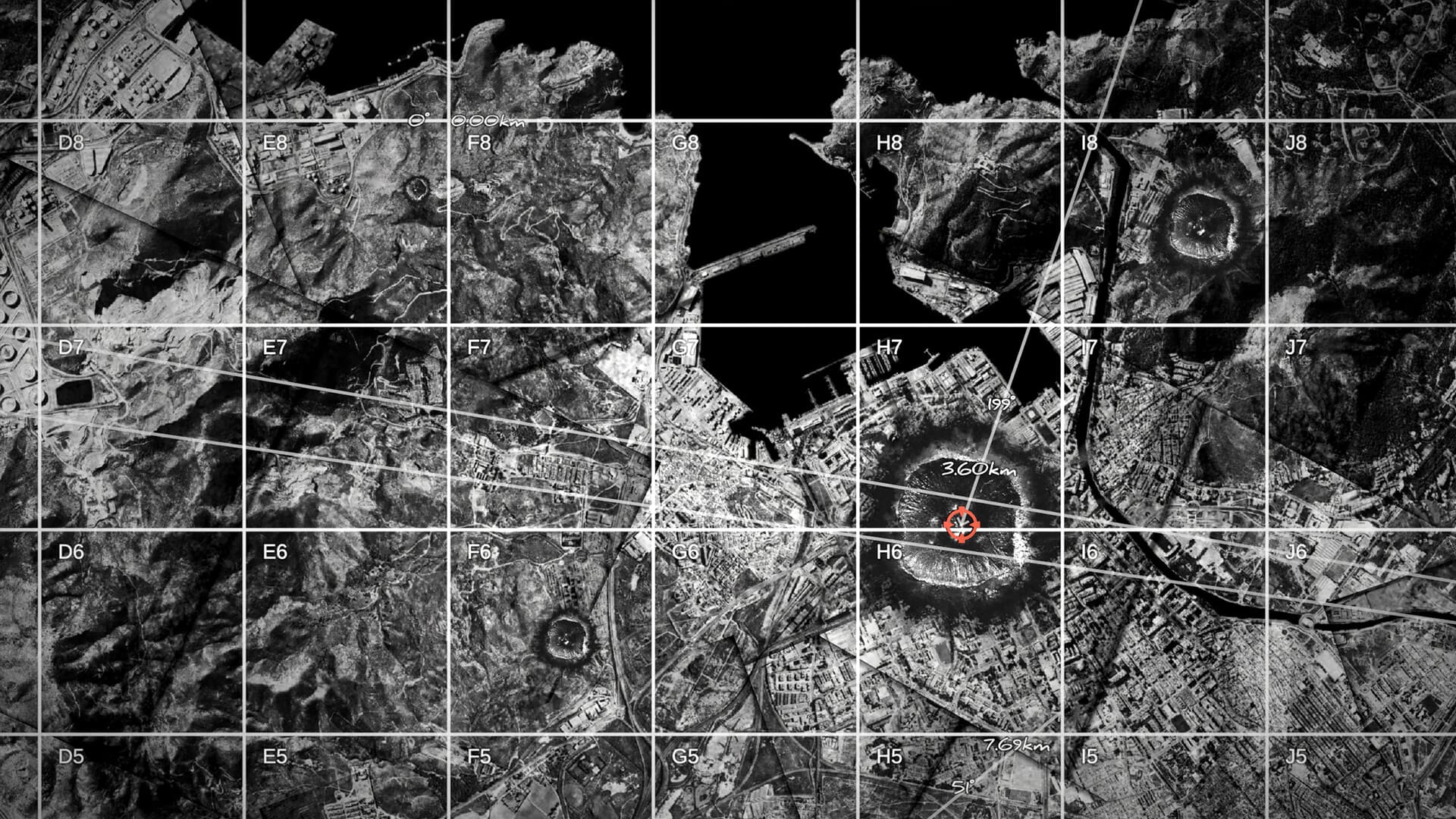
Plot the intersection
Work carefully and keep every report tied to its own origin. Small errors grow when the lines meet at a shallow angle.
- Place the first known reporting position.
- Draw its reported bearing outward in the correct direction.
- Place the second known reporting position.
- Draw the second bearing.
- Mark the crossing point as estimated, not confirmed.
- Use later messages or recon to validate it before spending scarce ammunition.
Check the geometry before firing
A strong intersection uses lines that cross cleanly and lands in a plausible area. Nearly parallel lines magnify tiny drawing errors. If the result lies far outside the described region, first test whether a bearing was reversed by 180 degrees or a report was started from the wrong marker.
Common failure points
The four recurring mistakes are reversing a bearing, measuring from the NEST when the report originated elsewhere, mixing observer and battery reports, and measuring the final shot before updating a moved NEST marker. A convincing intersection can still be false, so preserve the source label beside every line.
Operator field note
Good geometry is more valuable than extra precision
Two lines that cross at a strong angle usually produce a more stable estimate than two nearly parallel reports. When the geometry is shallow, a small plotting or reading error moves the apparent intersection a long distance. Do not make a weak crossing look authoritative by drawing thinner lines; label the area as uncertain and seek another report from a meaningfully different origin.
Source labels matter as much as angles. A clean intersection can still be false if one bearing begins at the NEST instead of the named observer, describes a different target, or points 180 degrees in the wrong direction. Preserve reporter number and subject beside every line so the result can be audited when new intelligence arrives.
Triangulation locates the target; it does not create gun data. After the target point is accepted, draw a separate line from the current NEST to that point. Only the final line supplies traverse bearing and range for the ballistic calculator.
Sources & verification
Mechanics can change after patches. Official references and clearly labeled community findings used for this guide:
Official Steam page ↗Community beginner discussion and examples ↗Quick clarifications
Frequently asked questions
Can one bearing locate a target?
No. One bearing defines a line of possible positions. It needs another bearing, a distance arc, recon evidence, or a geographic constraint to select a point.
What if two bearings are almost parallel?
Treat the intersection as weak. Recheck both origins and directions, then seek an additional report from a different angle instead of firing from a visually precise but unstable crossing.
Is the spotter-to-target range the firing range?
Only if the spotter and NEST occupy exactly the same position. Normally you must measure a new line from the current NEST to the triangulated target.