
Tactical Map Tokens
A crowded tactical map fails when markers lose their meaning. Build a small visual language and keep every token tied to a source, confidence level, and current mission state.
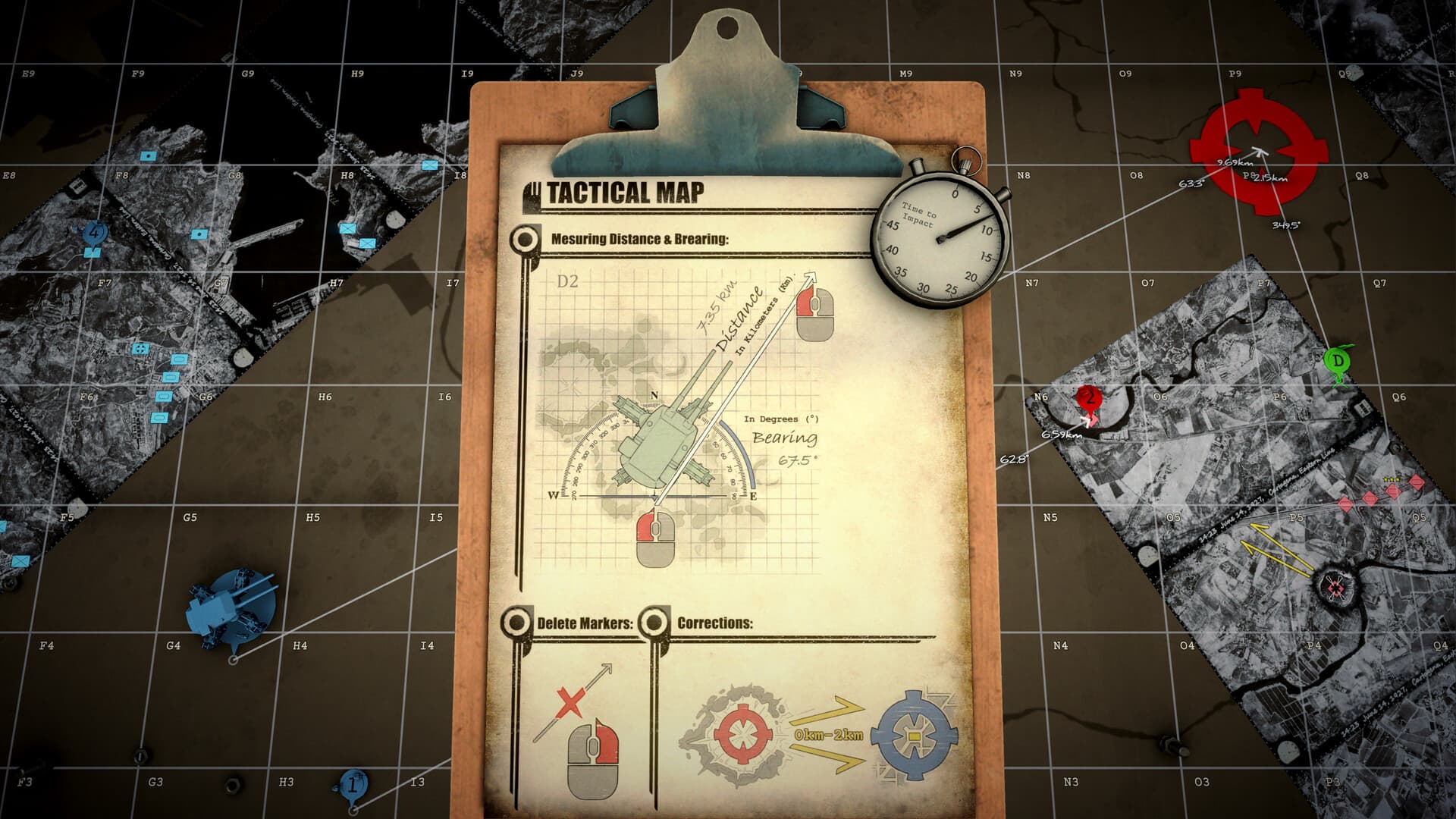
Field reference
Token roles
| Role | Handling rule |
|---|---|
| NEST | One current origin only |
| Numbered spotter | Preserve number and coordinate |
| Confirmed target | Tie to source and objective |
| Candidate position | Mark as estimated |
| Completed target | Archive without deleting needed origins |
Give each marker one role
Use stable roles for the NEST, friendly observers, hostile targets, search areas, and reference points. A token should answer what it represents without requiring you to remember the last teleprinter message.
Preserve numbered origins
Spotter 1 and Spotter 2 are not interchangeable. Keep the number beside each origin so a later bearing or distance begins from the correct point.
Separate confirmed and estimated positions
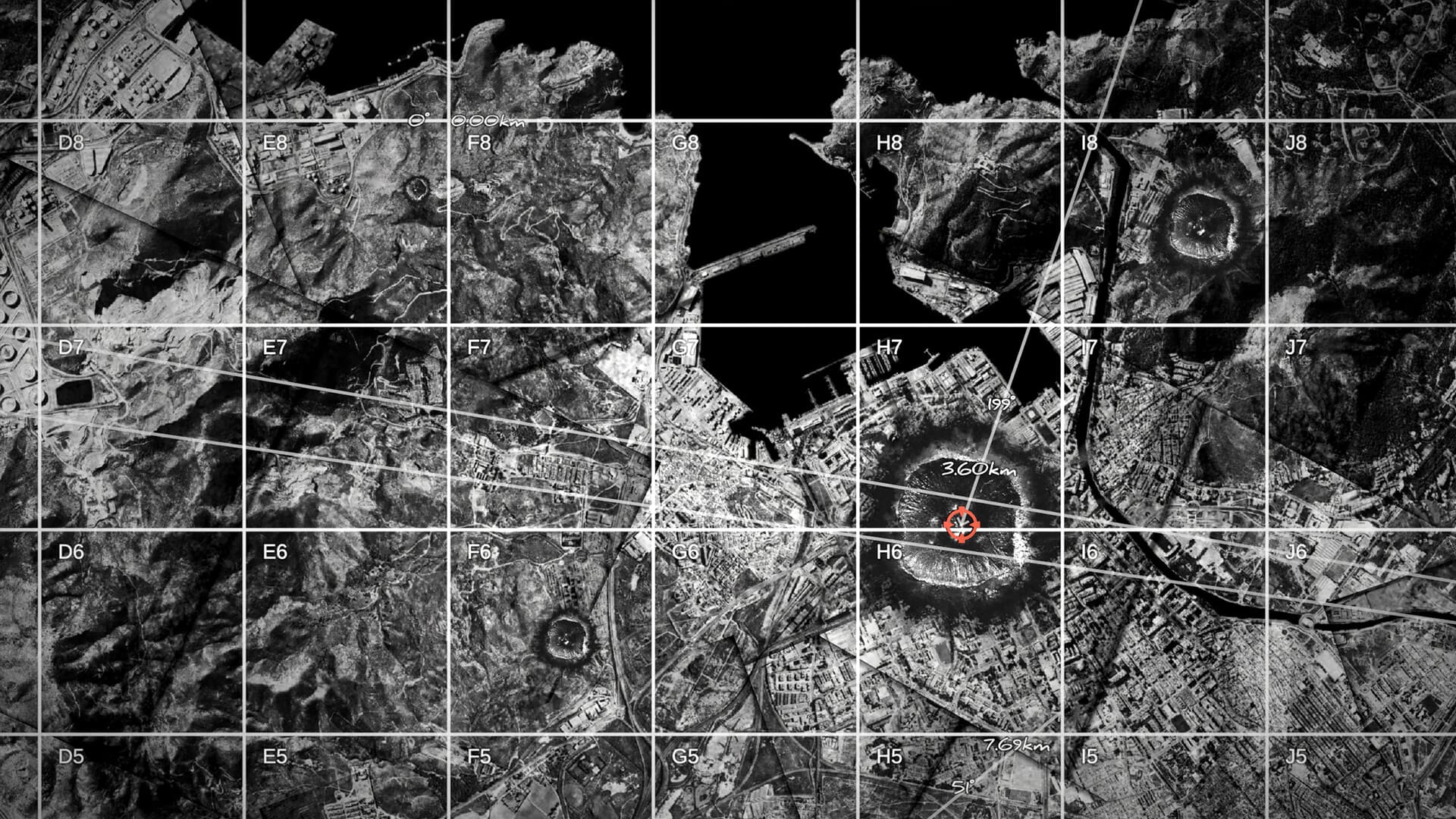
Use color, neighboring notes, or a consistent placement rule to distinguish a direct coordinate from a triangulated candidate. Promote an estimate only when another report, recon result, or objective feedback supports it.
Archive rather than erase
A completed target can be crossed out or moved to a completed area, but required observer origins should remain. Erasing the only source point can make a follow-up report impossible to reconstruct.
Reset after relocation
Move only the NEST marker to the new coordinate. Target and spotter positions may stay, while every final firing line from the old origin must be redrawn.
Sources & verification
Mechanics can change after patches. Official references and clearly labeled community findings used for this guide:
Community map and measurement guide ↗Official Steam tactical-map description ↗