
Tactical Map Workflow
The tactical map is both a calculation surface and an operational record. A clean map shows where every line came from, distinguishes confirmed positions from estimates, and makes the final firing line impossible to confuse with the evidence used to locate the target.
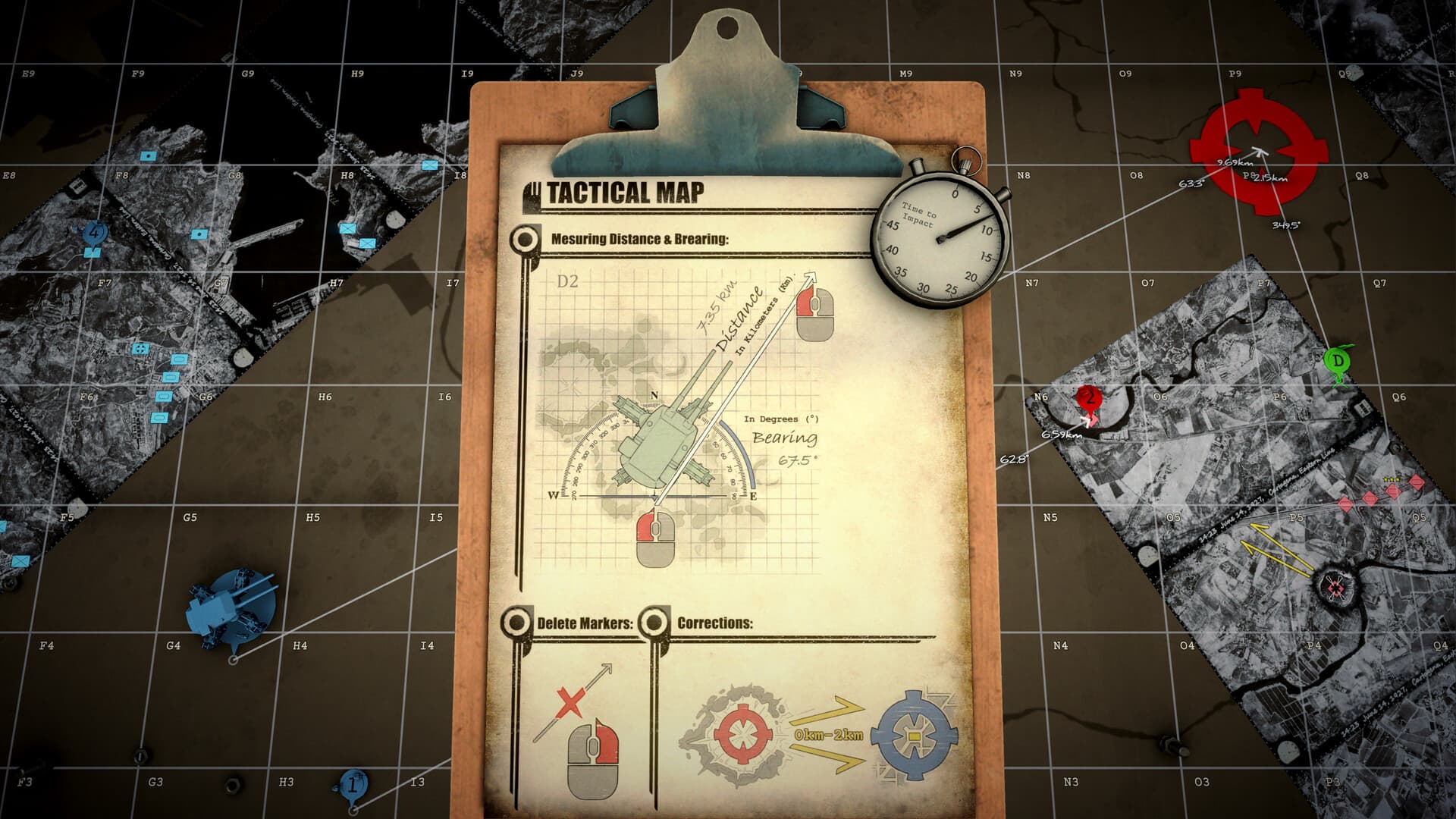
Establish the map origin layer
Before drawing any search geometry, place the current NEST, numbered spotters, and fixed references. Use the full cell and sub-cell whenever the report provides them. Label every origin so two clean-looking lines cannot accidentally begin from the wrong observer. If the NEST moves, update this layer before touching any old firing solution.
Match each clue to the right tool
A bearing is a ray from a known origin, so draw it outward at the reported direction. A distance describes a circle or arc around its origin. A direct coordinate creates a point. Two compatible clues can produce an estimated target, but shallow intersections and conflicting subjects should remain visibly uncertain until another report or reconnaissance result supports them.
- Write the report number beside its line or arc.
- Extend bearing lines far enough to expose a useful crossing.
- Keep alternative intersections when the evidence cannot choose between them.
- Mark the accepted target separately from the construction geometry.
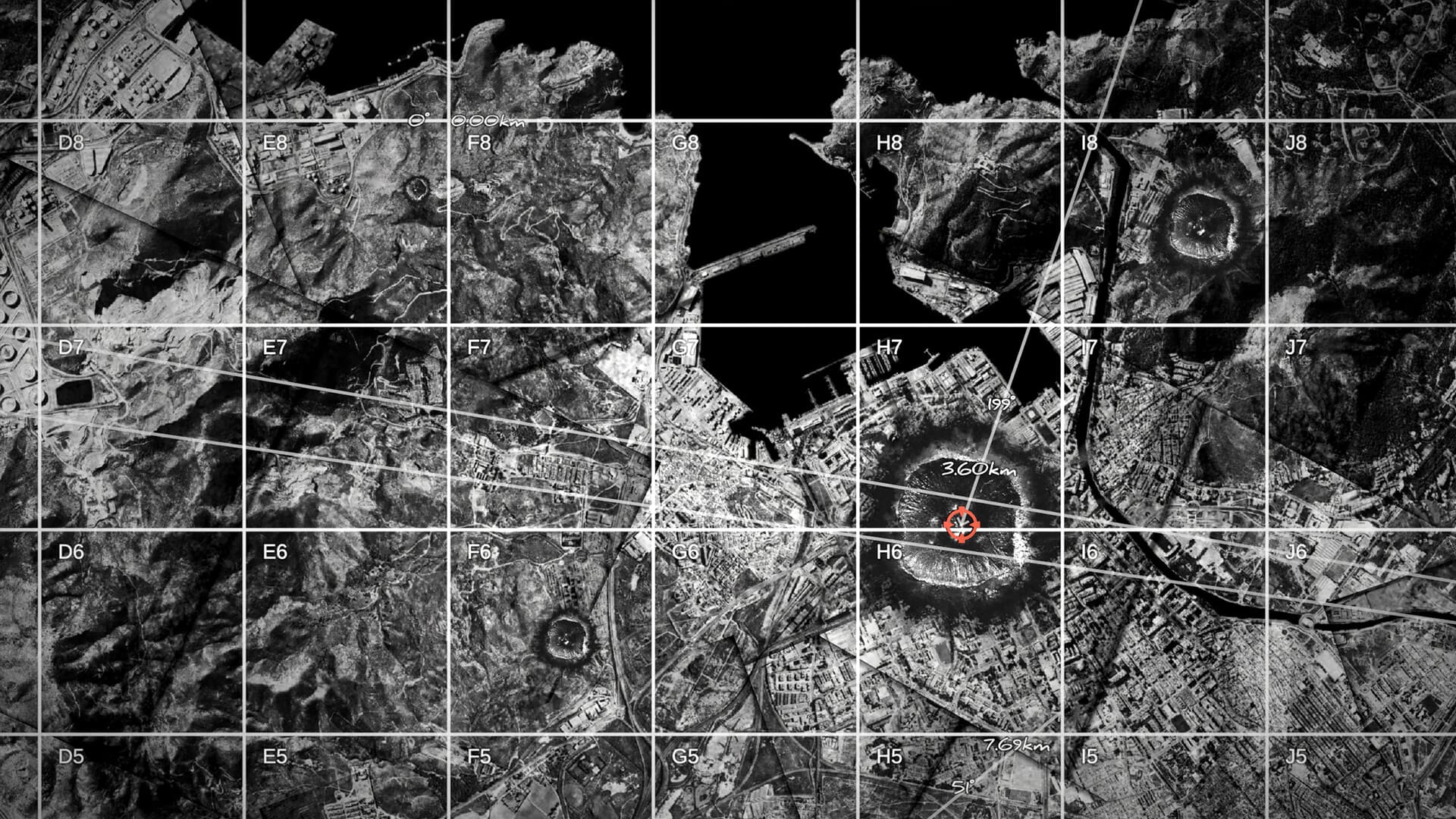
Create the only firing line that matters
Once the target is accepted, draw a fresh straight line from the current NEST marker to that target. Record its bearing and range together. The distance from an observer to the target helped locate the target; it is not normally the distance from the gun. Keeping the final line visually distinct prevents clue values from leaking into gun controls.
Maintain the map across a mission
Archive destroyed targets without deleting origins that later messages may reuse. Cross out stale NEST-to-target lines after relocation and rebuild them from the new origin. When a miss occurs, the map should let you audit target identity, current origin, bearing direction, and range endpoints without reconstructing the entire mission from memory.
Sources & verification
Mechanics can change after patches. Official references and clearly labeled community findings used for this guide:
Official IRON NEST Steam page ↗IRON NEST Steam Community discussions ↗