
Miss After Relocation
Relocation changes the origin of every shot. The target and observer evidence may remain valid, but the final bearing, range, charge-and-elevation pair, and sometimes barrel plan do not. An old card can look complete while describing a machine position that no longer exists.
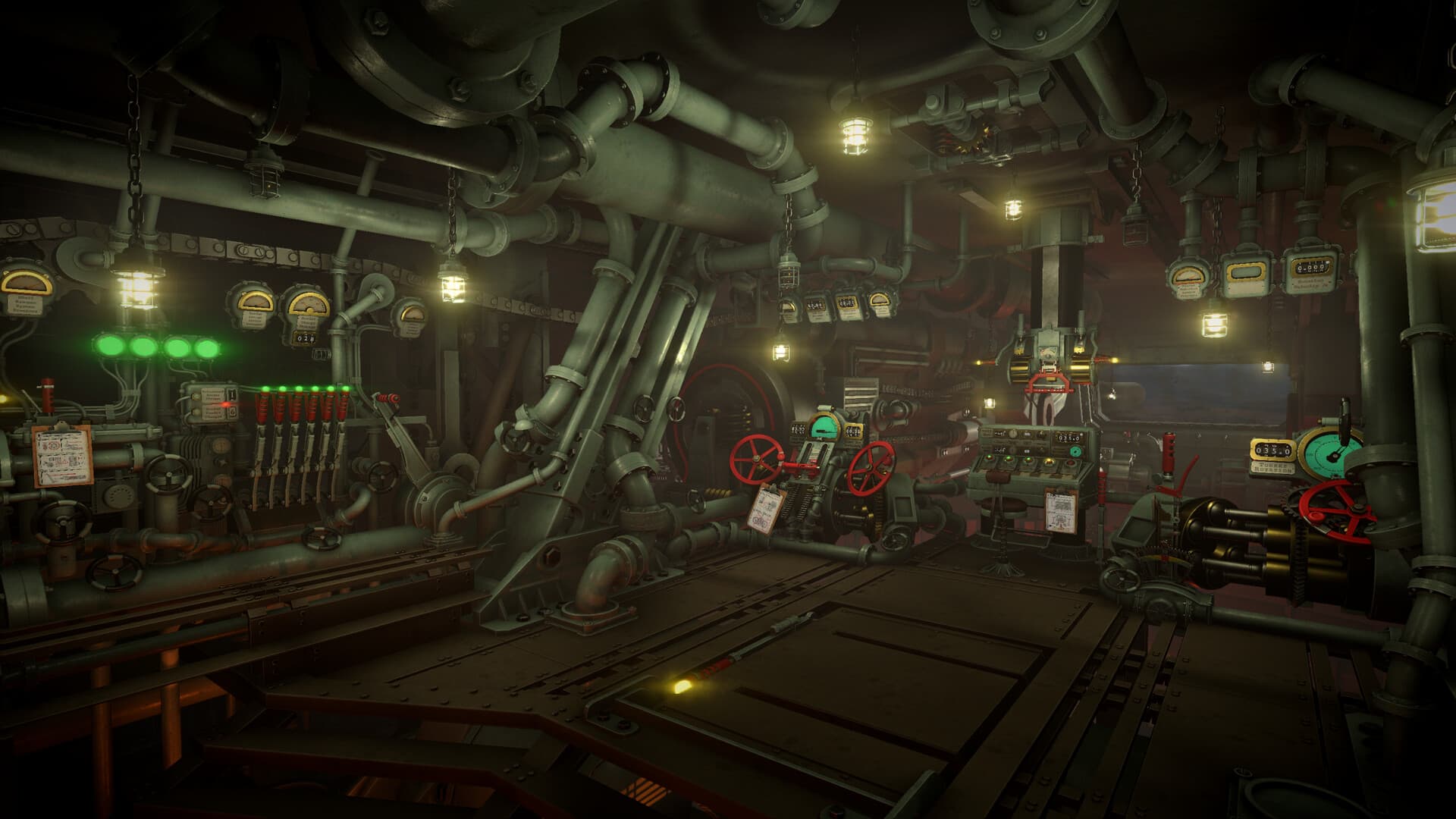
Separate target evidence from firing geometry
Reports that located a target may still be useful after the NEST moves because their observer origins did not change. Final firing lines are different: they begin at the machine and therefore become stale immediately. Label these layers differently so useful intelligence can survive without carrying unsafe gun values forward.
Perform a complete relocation reset
Update the NEST marker before any new measurement. Cross out old bearing, range, charges, and elevation on every active firing card. Draw new lines to confirmed targets and send each new range through the calculator with the charge count you now intend to load.
- Confirm the new NEST coordinate and sub-cell.
- Move the map marker.
- Invalidate every old final firing line.
- Redraw bearing and range per target.
- Recalculate charges and elevation.
- Re-verify barrel and payload assignments.
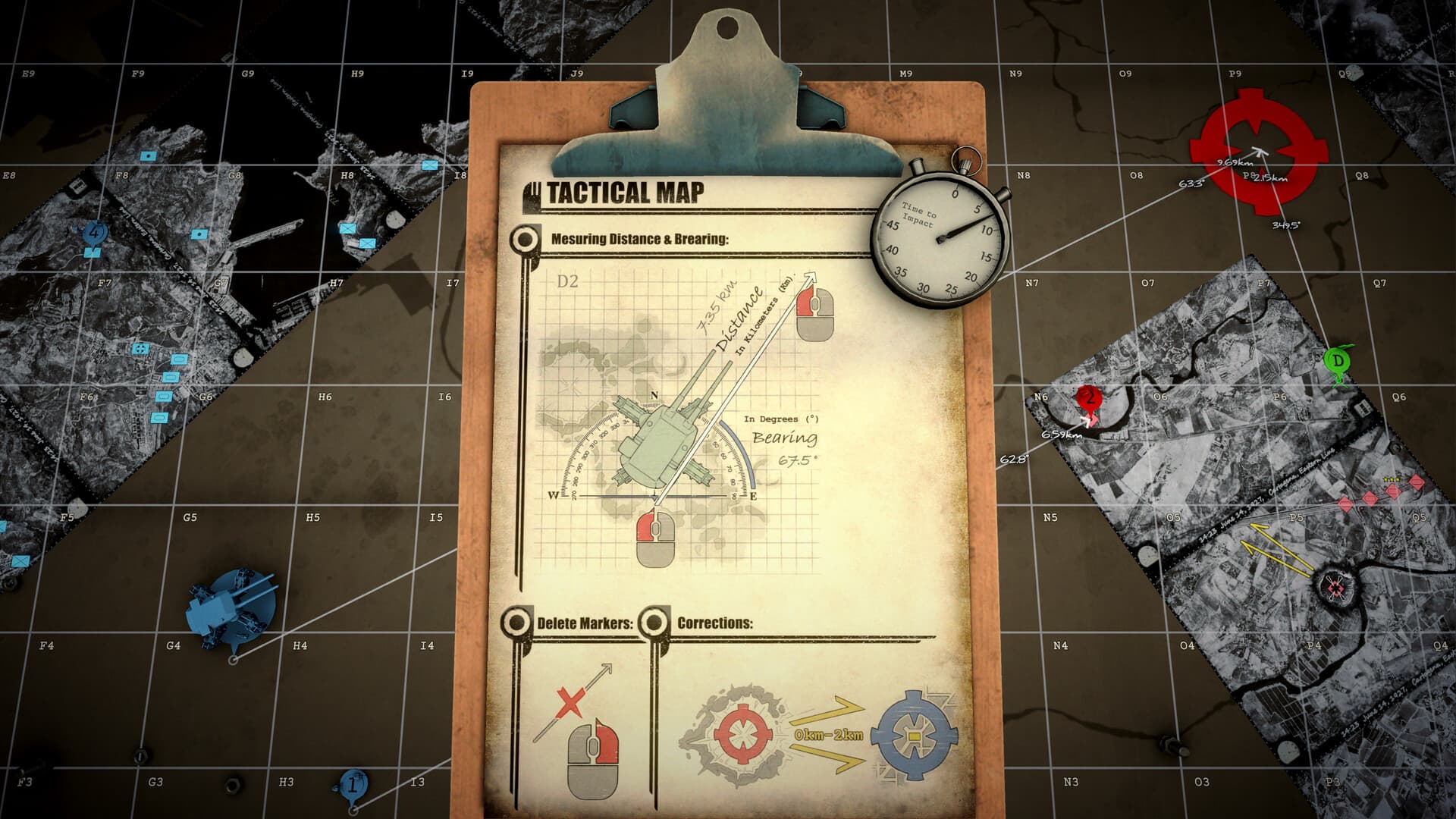
Do not preserve a convenient value
Even when a new bearing or range looks close to the old one, use the newly measured value. Reusing one apparently similar number creates a hybrid solution that belongs to neither position. Copy the complete new trajectory as a separate card and archive the old card for diagnosis only.
Classify the first post-move impact
A lateral miss points first to the new origin, bearing, and traverse. A short-long miss points to new range, charge selection, physical load, and elevation. If the old card was not fully invalidated, rebuild the solution before making small corrections—the apparent error may be entirely caused by stale geometry.
Sources & verification
Mechanics can change after patches. Official references and clearly labeled community findings used for this guide:
Official IRON NEST Steam page ↗IRON NEST Steam Community discussions ↗