
Shot Lands Left or Right
A shell landing at roughly the expected depth but to one side is usually a directional problem. That narrows the useful checks to map geometry and traverse transfer. Changing powder or elevation first wastes the diagnostic information contained in the impact.
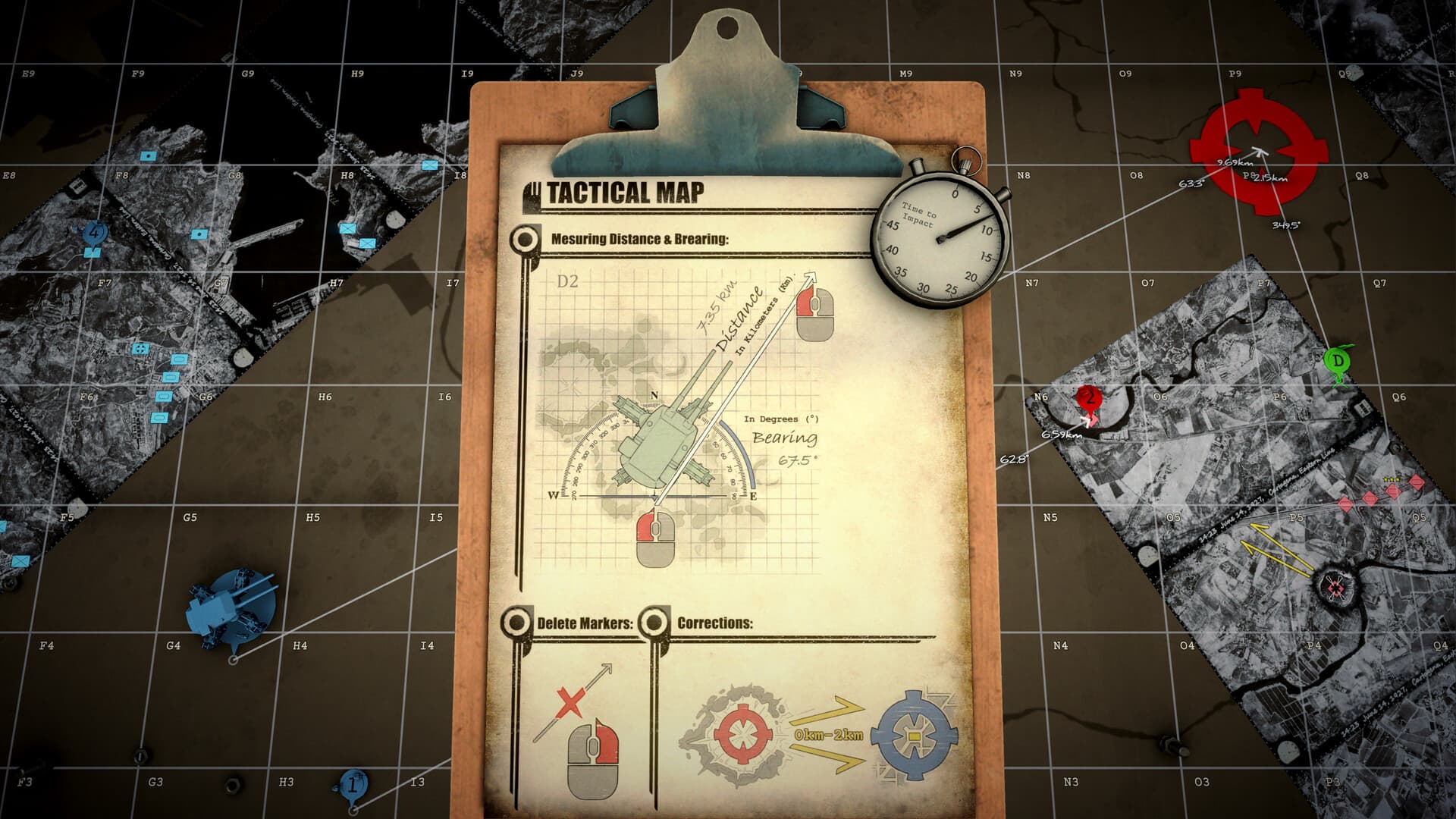
Confirm the target rather than the clue
A spotter, reference point, bearing line, or alternative intersection can look like a valid target marker. Return to the source report and confirm which object the mission requires. Preserve estimated and confirmed positions with different labels so the final line cannot silently end on a clue.
Verify the current origin
Bearing depends on where the NEST is now. If the machine relocated, every final firing line from the previous position is stale even when the target did not move. Update the NEST marker, redraw the line, and record the new bearing and range as a new solution.
- Confirm current NEST coordinate and sub-cell.
- Confirm target coordinate and sub-cell.
- Draw a new direct line.
- Record bearing without copying an observer bearing.
- Transfer it to the intended barrel.
Audit traverse transfer
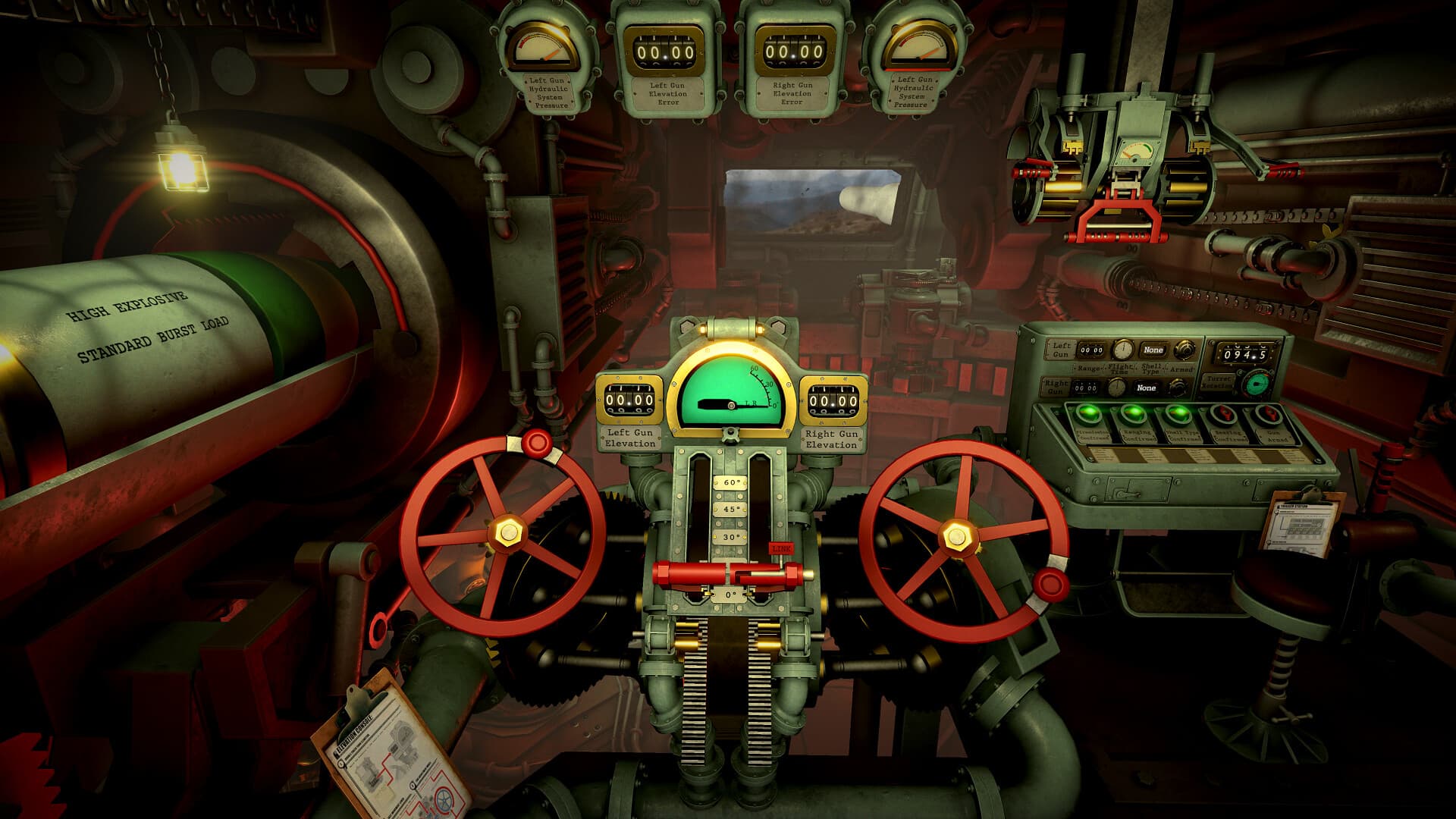
Compare the map bearing, firing-card bearing, and physical traverse setting as three separate values. Check direction, digit order, and barrel assignment. A correct map can still produce a lateral miss when the value is read from the wrong card or applied to the other gun.
Make one directional correction
Correct the confirmed geometry or transfer error while preserving the existing ballistic pair. Fire again only when the target, origin, bearing, and traverse agree. If the next impact is on line but wrong in depth, move to the short-long procedure rather than continuing to alter bearing.
Sources & verification
Mechanics can change after patches. Official references and clearly labeled community findings used for this guide:
Official IRON NEST Steam page ↗IRON NEST Steam Community discussions ↗