
Target Lines Do Not Intersect
Two lines that do not meet in a plausible mission area are evidence of a source, direction, subject, or plotting problem. The correct response is not to extend them until a convenient point appears; it is to audit what each line literally represents.
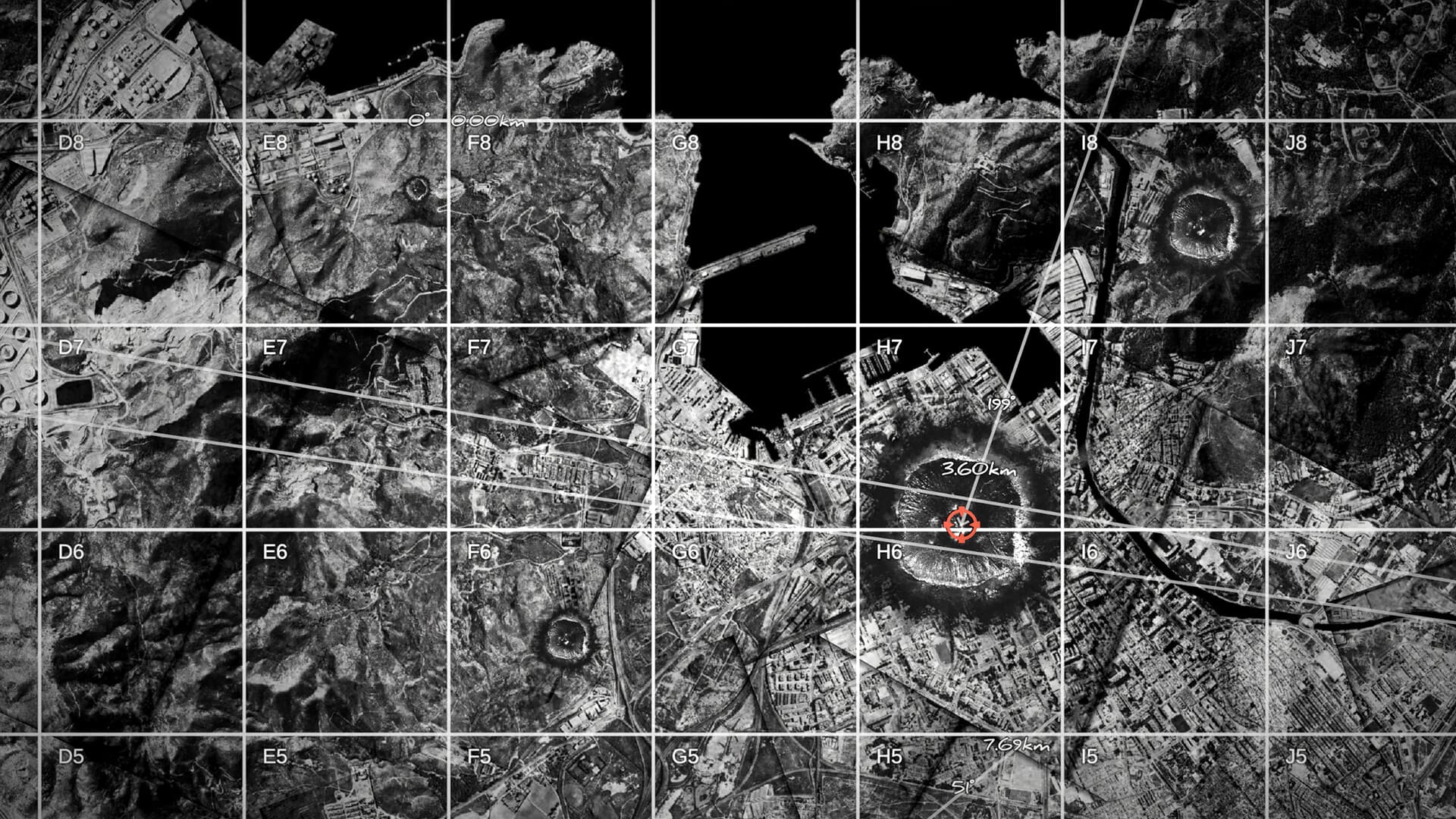
Read both reports independently
Write origin, subject, clue, and time for each report before comparing them. A bearing from Spotter #1 must begin at Spotter #1; a bearing describing an observer cannot be combined with one describing a battery. Many impossible intersections are created by merging two correct reports about different objects.
Check coordinates and direction
Verify every grid letter, number, and sub-cell, then confirm which way the bearing points from its origin. Do not reverse a line by 180 degrees merely because the reversed version crosses another clue. The message wording and source relationship must support the direction.
- Re-place both origins at full precision.
- Label each reporter number.
- Draw each bearing from its own origin.
- Confirm both subjects match.
- Mark conflicts instead of averaging them.
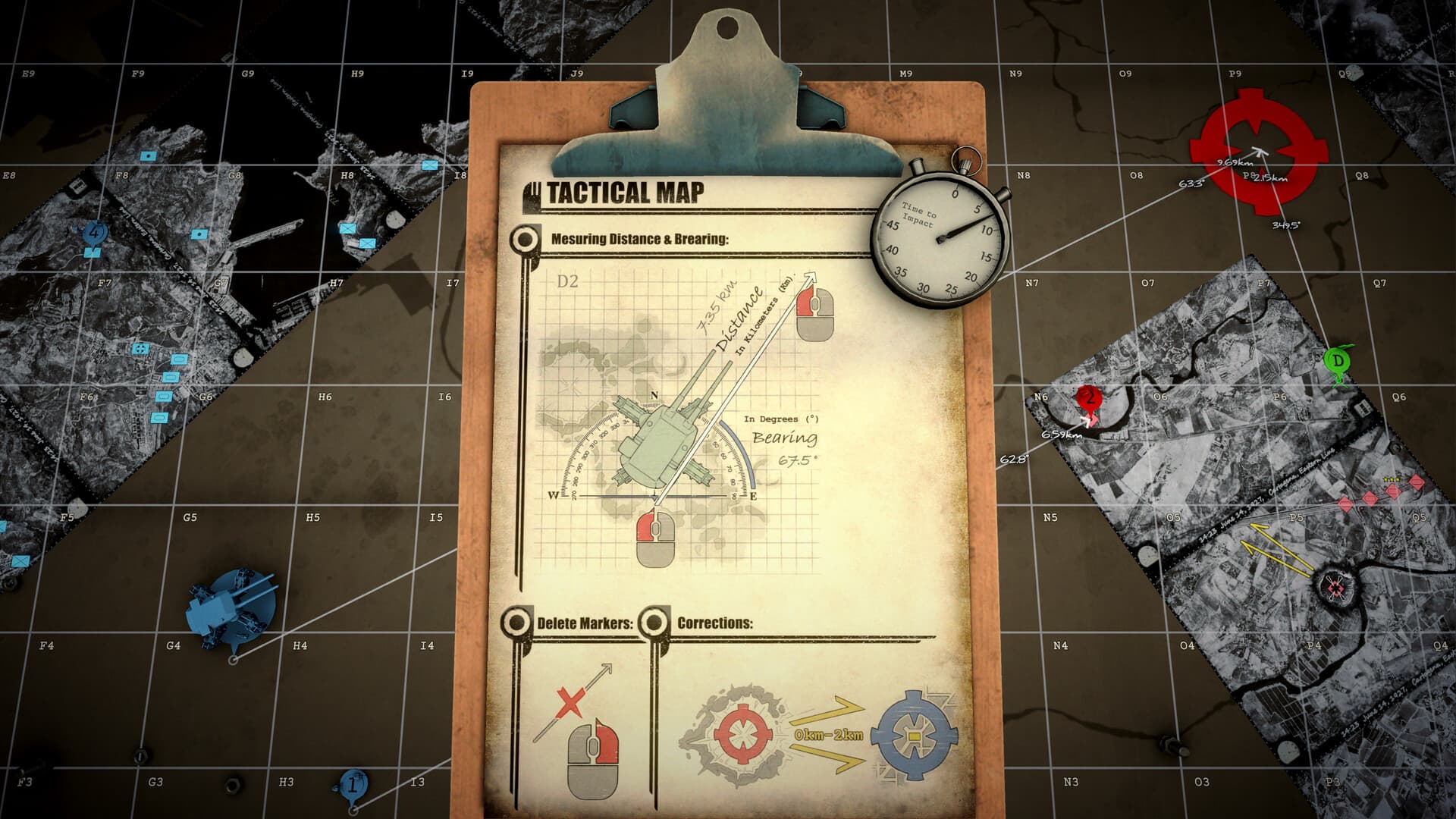
Recognize weak geometry
Nearly parallel lines magnify tiny plotting errors and may appear never to meet on the useful map area. Treat the result as a broad search zone, not a precise target. A third report from a different angle or a distance clue is more valuable than drawing thinner lines.
Do not fire at an unsupported crossing
If the evidence remains inconsistent, preserve both labeled clues and seek correction, reconnaissance, or another observer. Blind fire spends ammunition without resolving which input was wrong. Once a target is supported, mark it separately and measure a new firing line from the current NEST.
Sources & verification
Mechanics can change after patches. Official references and clearly labeled community findings used for this guide:
Official IRON NEST Steam page ↗IRON NEST Steam Community discussions ↗